We use cookies to improve your experience on our site and to show you relevant advertising. By clicking "Accept All", you consent to the use of ALL cookies. You can also manage your preferences or learn more about our privacy practices.
Multitasking is the quiet thief of focus, making us busy but less effective
by Drew Robbins
3 min read
Be Present
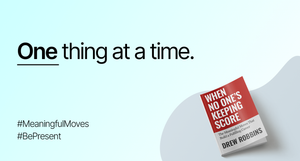
Research shows multitasking increases errors and drains energy. High-impact progress comes from protecting time to single-task with full attention.
The urge to juggle everything at once feels productive, yet research shows a different reality. Switching between tasks increases error rates and drains energy, and it takes an average of 23 minutes just to regain focus after each interruption. Despite all our effort, multitasking scatters attention and often leaves our most important work unfinished.
High-impact progress comes from protecting time to single-task. When you block distractions, set a visible focus status, and batch shallow work for later, you reclaim calm and clarity. One high-value task, completed with your full attention, will always outperform a packed schedule of divided efforts. The quality, speed, and satisfaction all go up.
To put it bluntly, research shows that we can't multitask. We are biologically incapable of processing attention-rich inputs simultaneously.
— John Medina, Brain Rules
Where will you protect one focus block this week, and what will you clear away to make it work?
Try This
Block 60–90 minutes for one complex task, turn on Focus mode, and silence notifications.
Notice What Happens
Notice your energy, the quality of your work, and how much less rework appears.
Share or Reflect
What's one multitasking habit you dropped, and how did it impact your day?
Keep Going
Make single-tasking your norm for deep work blocks, and let others see you model it.
If this resonates, share with your network to help others break free of the multitasking mirage.