We use cookies to improve your experience on our site and to show you relevant advertising. By clicking "Accept All", you consent to the use of ALL cookies. You can also manage your preferences or learn more about our privacy practices.
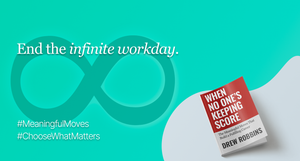
The infinite workday looks like dedication, but it quietly eats away your focus and energy.
by Drew Robbins
3 min read
Choose What Matters
Break the always-on cycle that fragments attention and quietly erodes real productivity with intentional boundaries and AI as your shield.
Hybrid routines pull people back online at night. Microsoft WorkLab 2025 reports a rise in late night meetings and heavy daily message volume for the average Teams user. The effect is an always on cycle that blurs boundaries, fragments attention, and quietly erodes real productivity. Before layering in more tools, individuals can reset norms and use technology with intention to compress noise and protect deep work.
This is not a willpower problem, it is a system of default pings, reactive habits, and unspoken expectations. Personal rules like a digital curfew, scheduled send, and message batching create a real end to the day. AI becomes a shield when it summarizes on your schedule, filters by priority during focus, and frees time for thinking instead of feeding the ping loop.
Prioritizing what matters is a daily practice, not a one time fix. Protect focus sprints, convert status meetings to async updates, and let good enough be enough for low value work. Small boundaries create visible gains in clarity, output, and calm.
Clarity about what matters provides clarity about what does not.
— Cal Newport, Deep Work
What one boundary will give you back an hour of deep work this week?
Try This
Set quiet hours tonight and use scheduled send for all after hours messages.
Notice What Happens
Check your morning energy and focus, and note any drop in late night pings.
Share or Reflect
Name one interruption you removed and what you reclaimed in return.
Keep Going
Run two 60 to 90 minute focus sprints daily, batch messages between them, and review your data weekly.
If this resonates, share with your network to help others break the always on cycle.